Assisted Lane Change
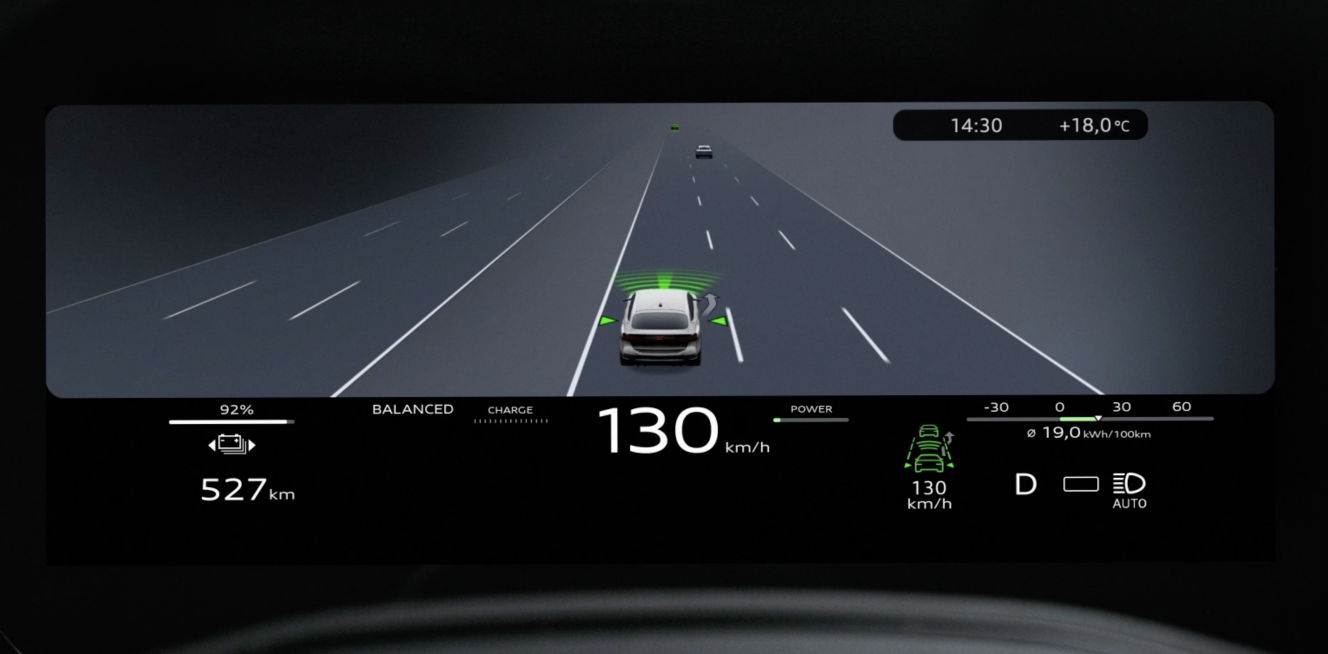
As a team, we have worked on and validated a wide range of use cases of Audi's Adaptive Cruise Assist
Plus. One of the first already implemented features is the assisted lane change.
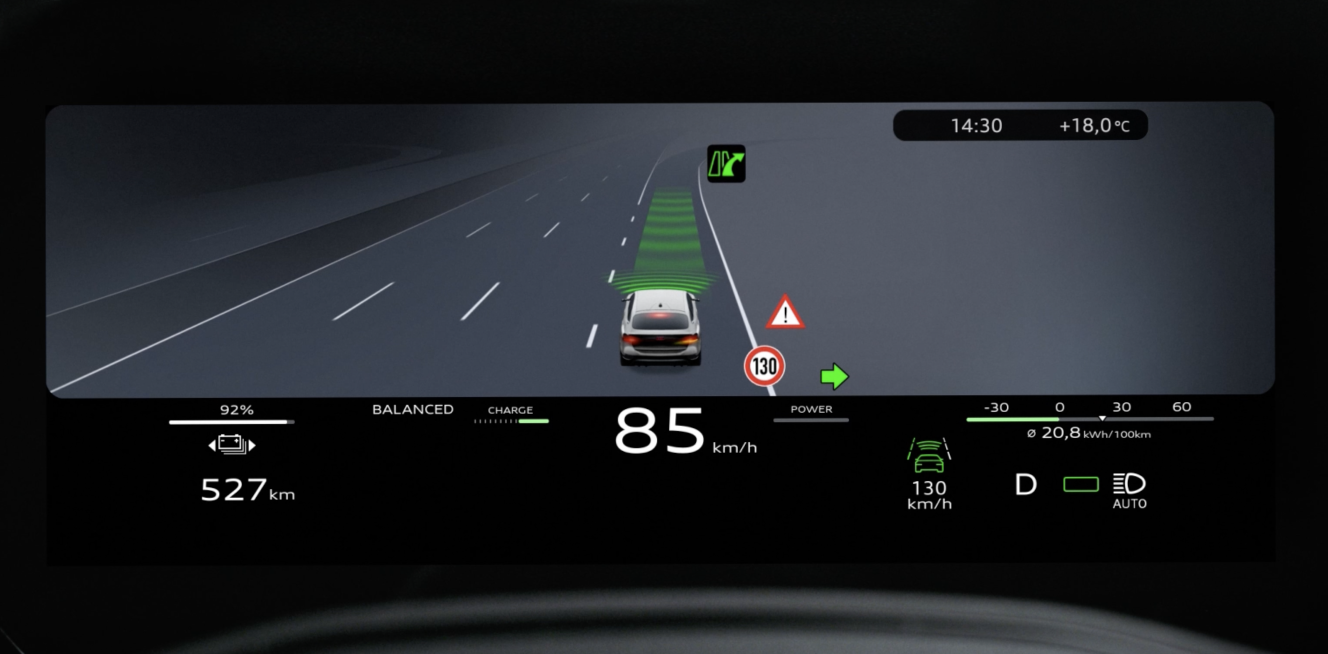
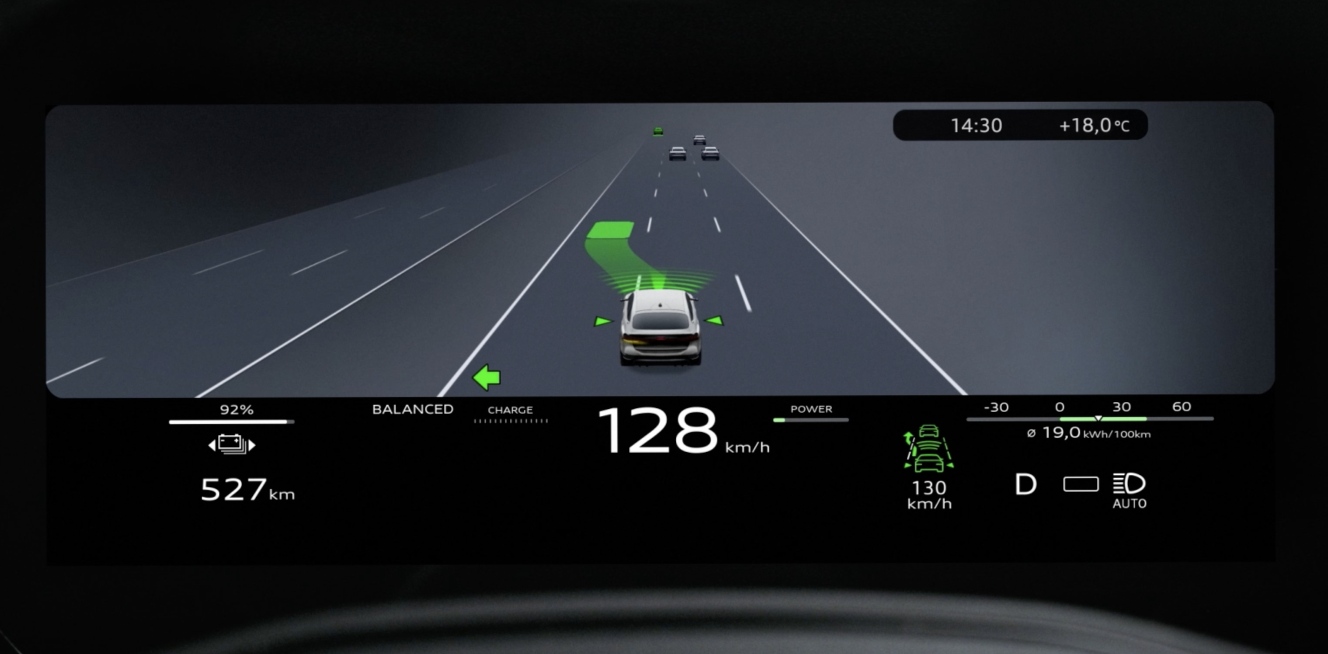
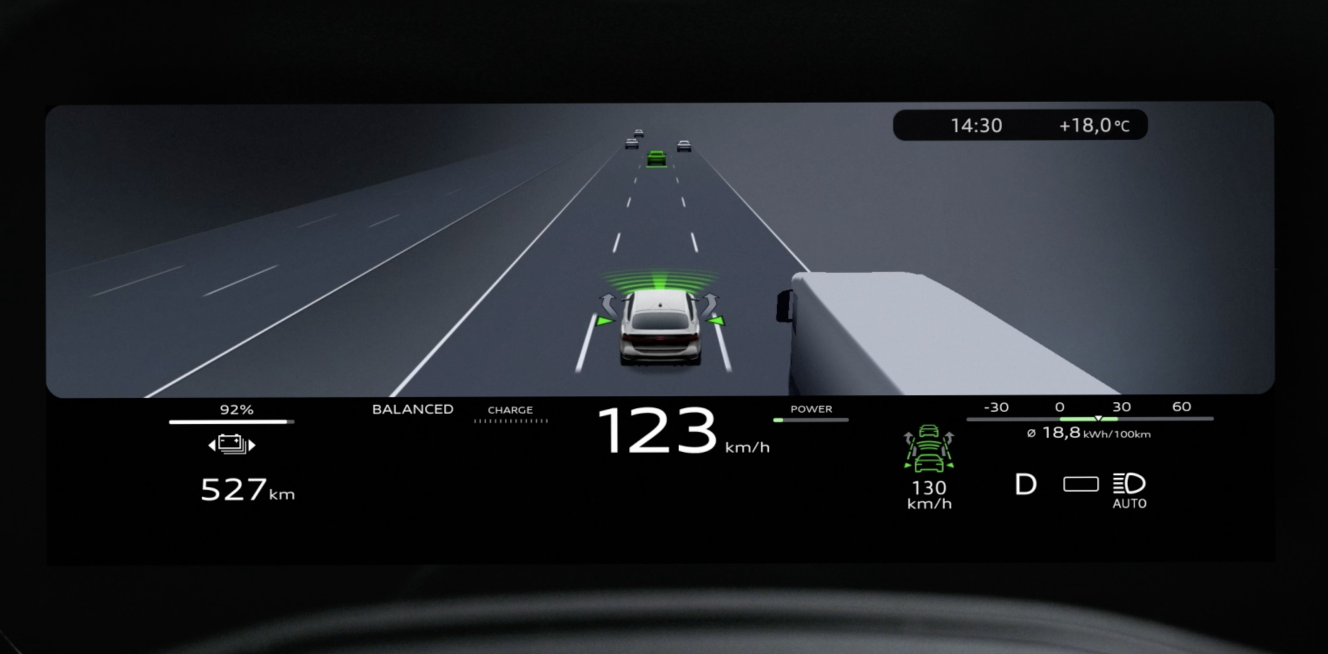 Arrows indicate to the driver on which side a lane change is possible | Audi
open_in_new
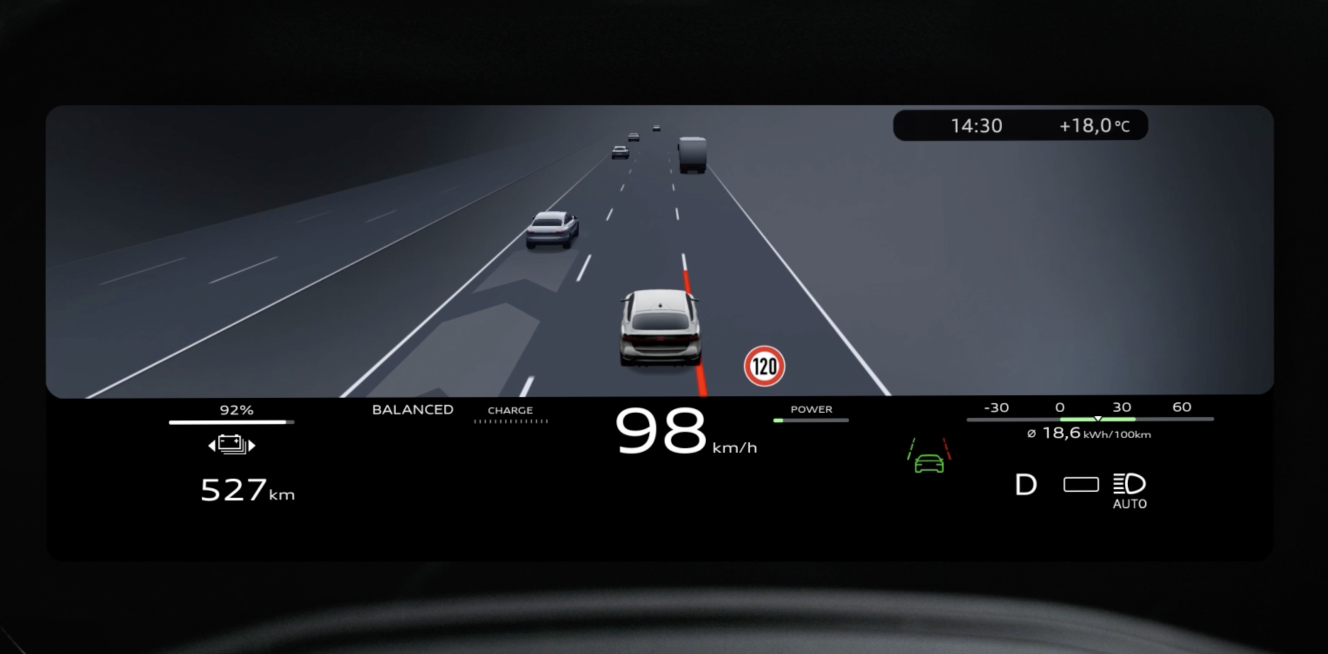
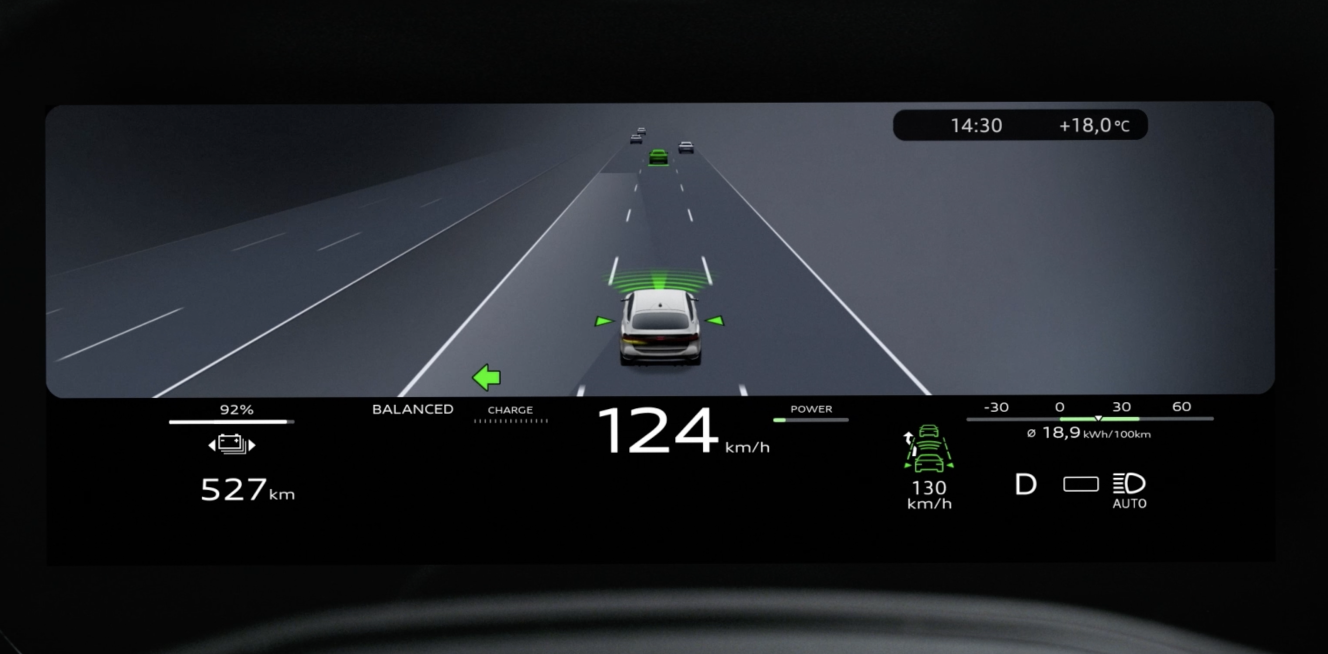 As soon as the driver sets the turn signal, the car is braking, accelerating and
decelerating to search for a suitable gap for max 15s. | Audi
open_in_new
3D Environment Model
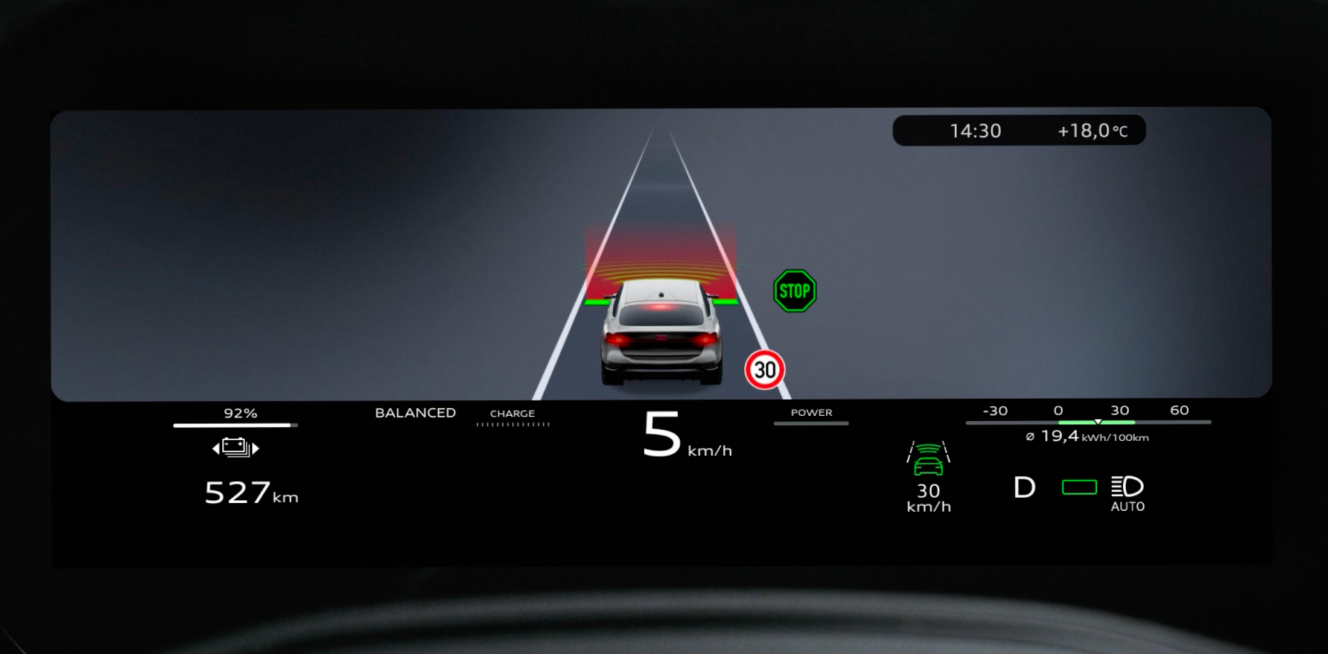
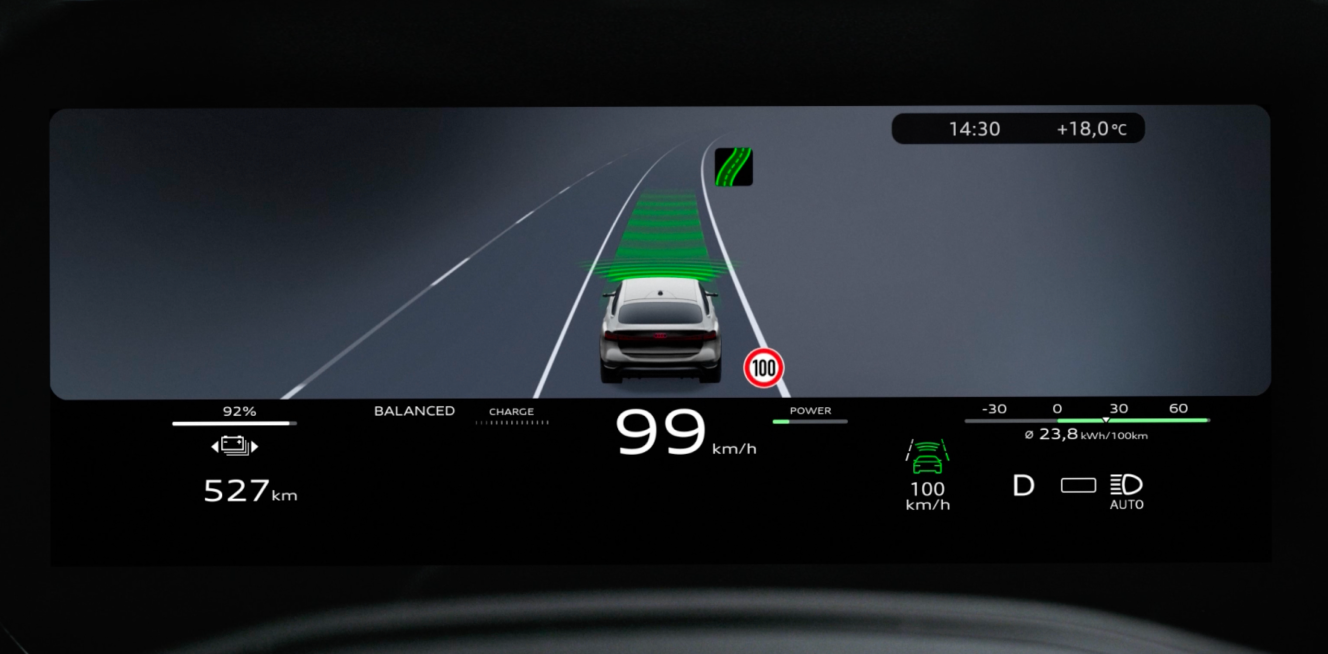
The 3D environmental model displays sensor data, surrounding objects, and the planned trajectory of
highly automated vehicles. As feature lead, I consolidated requirements from multiple related
features and
developed a unified UX concept with consistent interaction patterns and visualizations.
I developed a roadmap, defined requirements, and created an overarching basic
concept. A key challenge was to integrate the various requirements of the sub-features in such a
way that consistent display and interaction patterns emerged, without losing sight of the specific
needs of the individual feature-teams.
Main tasks
- Consolidation of the feature teams’ requirements
- Conduction of workshops with the teams and development shared guidelines
- Definition of cross-functional display and interaction patterns
- Initiation of user testings to validate and optimize the concept
In addition, I worked closely with the feature developers to align requirements and, at the same
time, communicate technical constraints back to the feature teams. I regularly tested the
implementation directly in the vehicle together with the developers.
The goal was to establish a common, robust foundation for the environment model that both addresses
the requirements of the individual features and enables consistent use.
Production version in Audi Q4 e-tron | Audi
open_in_new
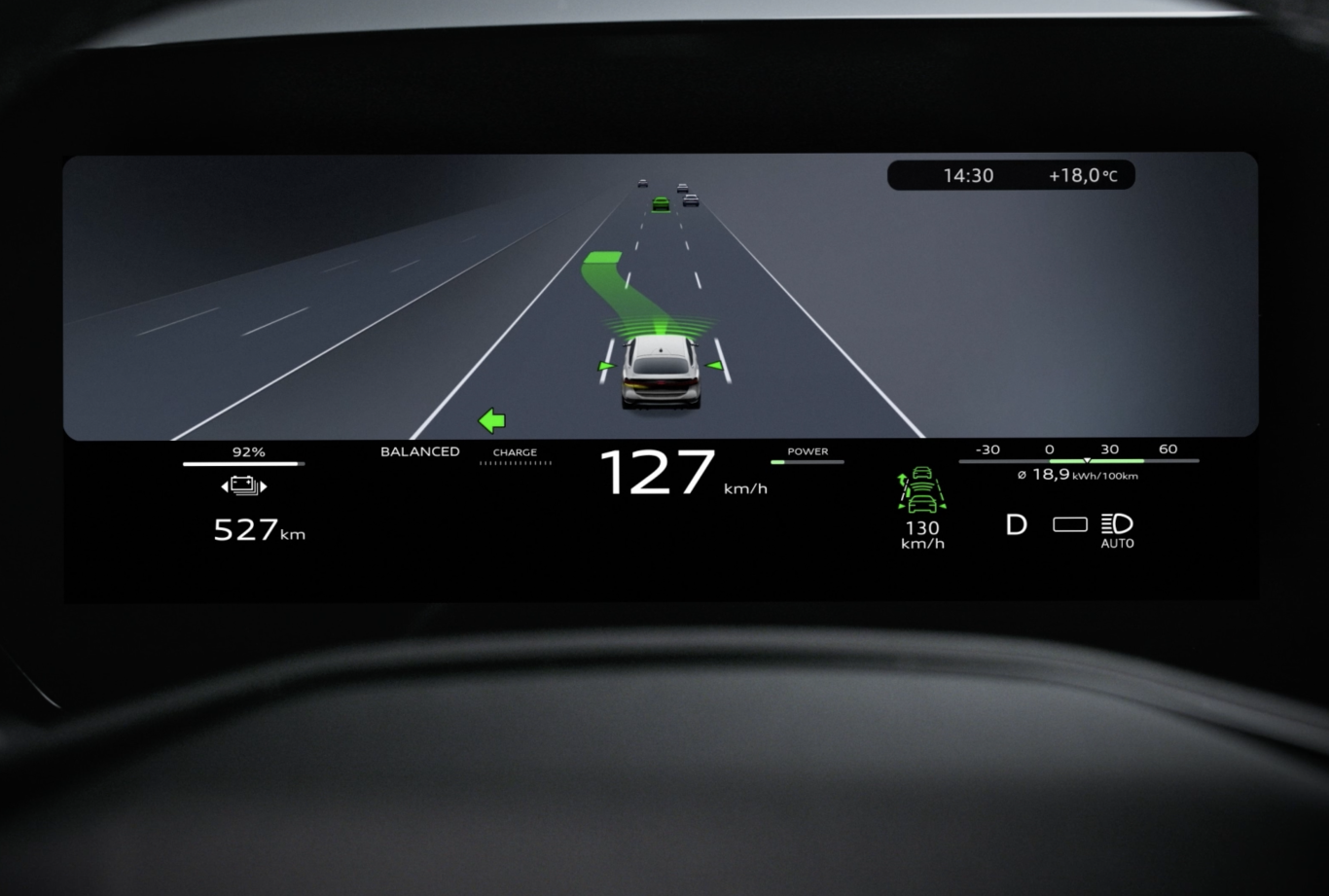
 The car automatically starts performing the lane change. |
 The lane change is finished. |